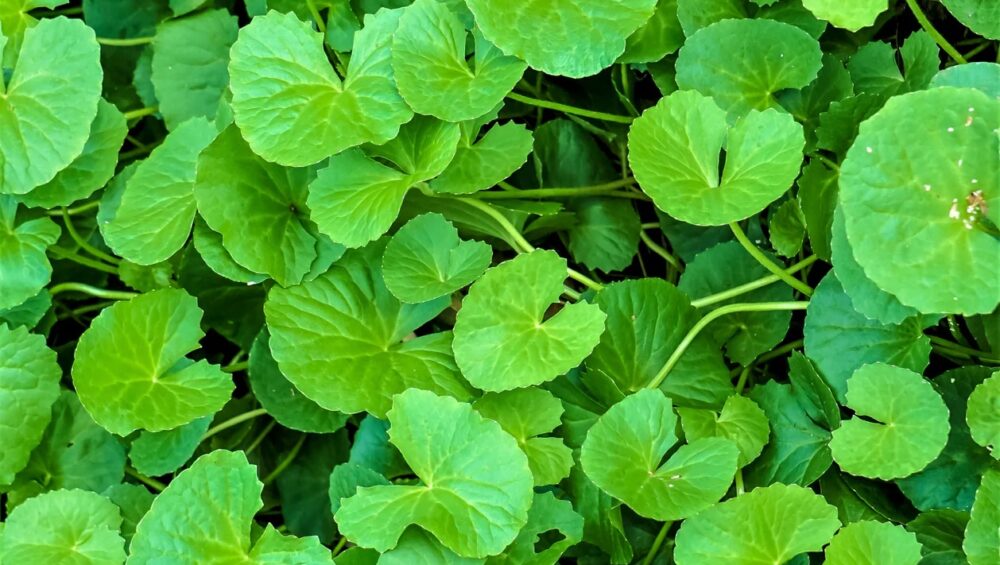
What is Gotu Kola?
Gotu Kola (Scientific Name: Centella asiatica) is a medicinal herb renowned for its cognitive and therapeutic properties. This article explores its origins, nutritional profile, health benefits, and culinary uses.
Origin of Gotu Kola
Gotu Kola is native to tropical regions of Asia, including India, Sri Lanka, and Southeast Asia. It has a rich history in traditional Chinese and Ayurvedic medicine, where it is revered for its healing properties.
Other Names for Gotu Kola
Gotu Kola is known by various names across different cultures:
- Indian Pennywort: Common name in India and Southeast Asia.
- Brahmi: Used in Ayurvedic medicine.
- Pegaga: Traditional name in Malaysia.
- Mandukaparni: Sanskrit name.
Appearance and Taste of Gotu Kola
Appearance:
Gotu Kola is characterized by its small, round leaves that resemble coins, often arranged in clusters. The plant has slender, creeping stems and bears small white flowers.
Taste:
The taste of Gotu Kola leaves is mildly bitter and slightly sweet, with herbal undertones.
Varieties of Gotu Kola
There are several varieties of Gotu Kola, each with subtle differences in appearance and medicinal properties:
- Centella asiatica var. asiatica: Commonly used in traditional medicine.
- Centella asiatica var. minor: Known for its smaller leaf size.
- Centella asiatica var. rubra: Has red-tinted leaves.
Nutritional Contents of Gotu Kola
In a serving of Gotu Kola (typically 100 grams):
- Water: 88.2 grams
- Protein: 3.2 grams
- Starch: 1.8 grams
- Fiber: 4.5 grams
- Vitamin C: 3.7 mg
- Vitamin B1 (Thiamine): 0.15 mg
- Calcium: 2.29 mg
- Phosphorus: 2 mg
- Iron: 3.1 mg
- Beta carotene: 1.3 mg
- Other nutrients: Includes beta carotene, sterols, saponins, flavonols, saccharides, magnesium, manganese, potassium, zinc.
Health Benefits of Gotu Kola
Gotu Kola (Centella asiatica) is celebrated for its medicinal properties across various traditional healing systems. Here are the key health benefits supported by scientific research:
Cognitive Function Enhancement
Gotu Kola is known for its potential cognitive benefits, including improved memory and mental clarity. It contains compounds that support neurotransmitter function and neuroprotection, aiding in cognitive processes.
Skin Health Support
Wound Healing: Gotu Kola accelerates wound healing by stimulating collagen production and promoting circulation to the affected area. It is used topically to heal cuts, burns, and other skin injuries effectively.
Anti-inflammatory Properties: Its anti-inflammatory effects reduce swelling and redness, making it beneficial for treating inflammatory skin conditions like eczema and psoriasis.
Anti-aging Effects: Gotu Kola’s antioxidant properties protect skin cells from oxidative stress, helping to maintain youthful skin and prevent premature aging.
Circulatory Health Promotion
Strengthens Blood Vessels: Gotu Kola strengthens veins and capillaries, improving blood flow and reducing the risk of conditions like varicose veins and venous insufficiency.
Edema Reduction: It helps alleviate swelling (edema) by enhancing fluid drainage and reducing inflammation, particularly beneficial for those with chronic venous disorders.
Anti-Anxiety and Antidepressant Effects
Stress and Anxiety Reduction: Gotu Kola has adaptogenic properties that help the body cope with stress. It calms the nervous system, reduces anxiety, and promotes a sense of relaxation without sedation.
Depression Management: Studies suggest that Gotu Kola may act as an antidepressant by enhancing neurotransmitter function, particularly serotonin levels, which contribute to mood stabilization.
Liver and Kidney Support
Detoxification: Gotu Kola aids in detoxifying the liver and kidneys by improving blood circulation and promoting the elimination of toxins and metabolic waste products.
Hepatoprotective Effects: It protects liver cells from damage caused by toxins and free radicals, potentially reducing the risk of liver diseases like hepatitis.
Anti-inflammatory Effects
Joint Health: Gotu Kola’s anti-inflammatory properties help alleviate symptoms of arthritis and joint pain by reducing inflammation in the joints and improving mobility.
Improves Vein-related Conditions
Varicose Veins and Chronic Venous Insufficiency: Research indicates that Gotu Kola can reduce symptoms associated with varicose veins, such as pain, swelling, and heaviness in the legs, by strengthening vein walls and improving circulation.
Enhances Mood and Cognitive Performance
Memory Enhancement: Gotu Kola’s neuroprotective properties may improve memory and cognitive function, making it beneficial for age-related cognitive decline and neurodegenerative disorders like Alzheimer’s disease.
Conditions Addressed by Gotu Kola
- Skin Conditions: Eczema, psoriasis, wounds, burns, and acne.
- Cognitive Disorders: Memory loss, Alzheimer’s disease, and cognitive decline.
- Circulatory Disorders: Varicose veins, chronic venous insufficiency, and edema.
- Mental Health: Anxiety disorders, depression, and stress-related conditions.
- Liver and Kidney Health: Detoxification, liver protection, and kidney function support.
- Inflammatory Conditions: Arthritis, joint pain, and inflammatory skin disorders.
Gotu Kola’s versatility and therapeutic benefits make it a valuable herb in promoting overall health and well-being. Incorporating it into a balanced diet or using it under the guidance of a healthcare provider can harness its full potential for health enhancement.